- NEXT MAY
- REFORMER INTAKE
- EARLY BIRD DEAL CLOSES 27th OF APRIL 25
- NEXT MAY
- REFORMER INTAKE
- EARLY BIRD DEAL CLOSES 27th OF APRIL 25
As an instructor or studio owner, we become so well practiced, that it’s sometimes easy to forget about just how challenging the experience can be for a true beginner to Pilates. Many people may be curious to try Pilates, but they’re not sure where to begin. A skilled instructor should be capable of adapting exercises, pace and load to suit a beginner’s needs, and studio owners should have a very warm welcome, complete with FAQ’s for newbies.
Pilates is beginner-friendly, provided the class is appropriate to someone’s skill level. It’s generally quite easy to modify the difficulty level of Pilates exercises for people depending on their amount of experience, skill level, coordination, strength and mobility. Instructors should be skilled at paying attention to these areas, and be able to layer for the client accordingly.
When practicing Pilates, people will generally progress gradually, however for others it may be much quicker depending on other physical experiences they’ve had in the past. Beginners might start at a very basic level, but with the help of their instructor they are able to solidify their foundations and progress in a safe and effective manner. As they gain experience, they can attempt more challenging exercises, or add more load, or pace etc . A good instructor will guide and encourage progression in a gradual way as they see the body in front of them become more capable.
Different forms of Pilates can be perfectly suitable for beginners. Often, it will simply depend on personal preference and whether they have any specific physical limitations.
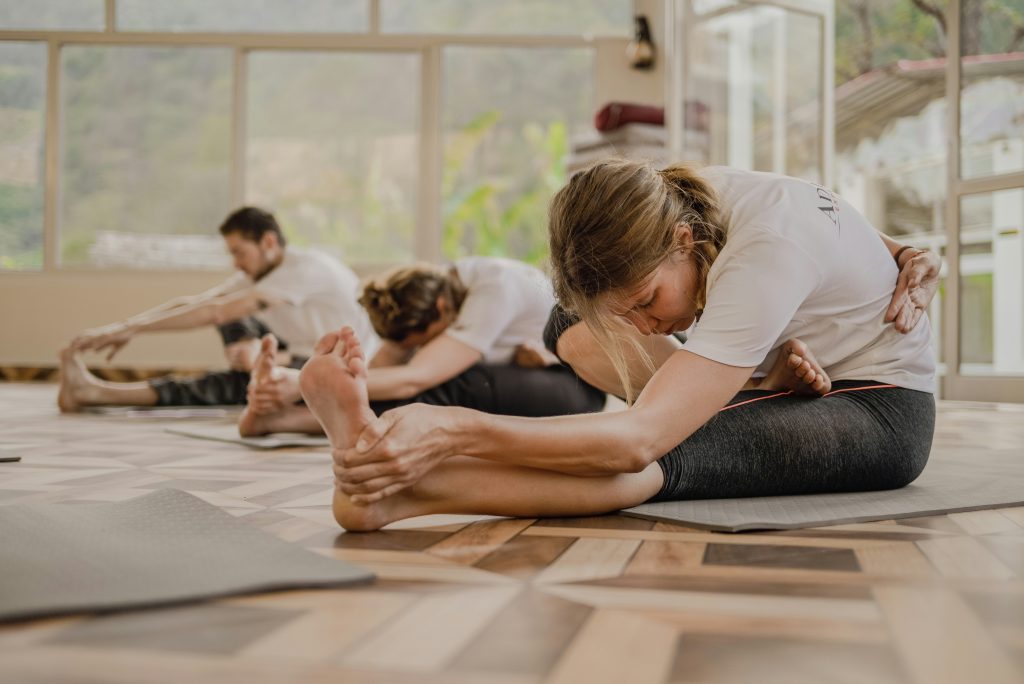
Mat Pilates is a very popular option for beginners because it simply requires a mat and no other additional equipment. It allows people to progress very gradually, slowly building up strength and mobility at their own pace. Matwork participants often develop a very good sense of body awareness, due to having less equipment to worry about.
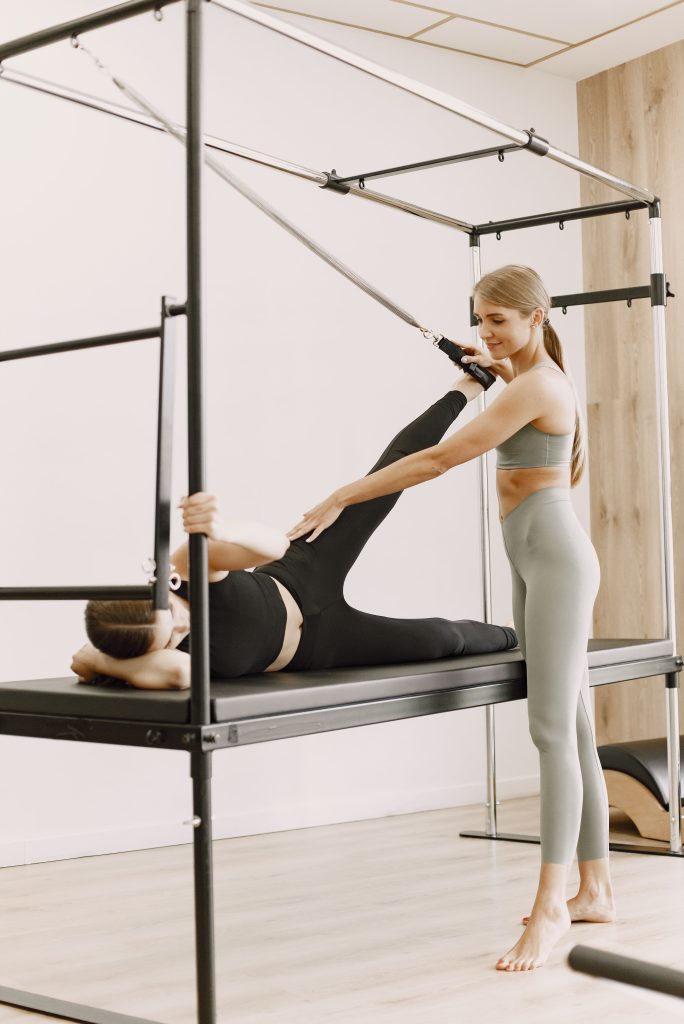
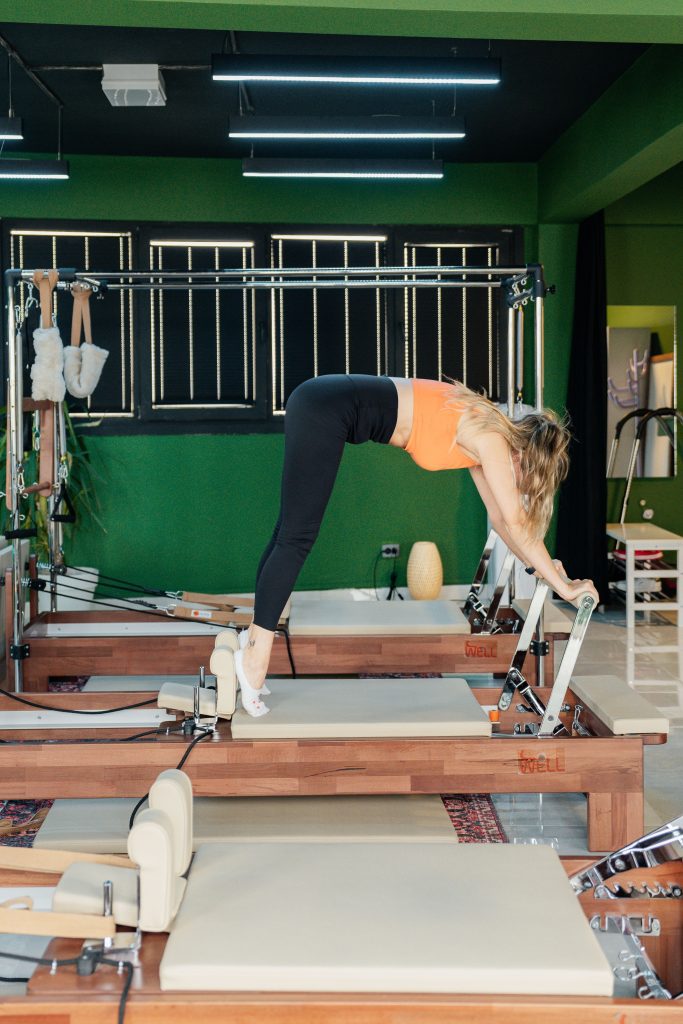
Reformer Pilates is a slightly more challenging choice for beginners, purely because there are more moving parts, but can still be suitable with sufficient guidance. However, a Reformer machine can actually also be very helpful for beginners, providing proprioception and feedback from the carriage, straps, and footbar.
Clinical Pilates generally exists for the purpose of pain management, condition management, rehabilitation, or focussing on a specific goal. If someone is dealing with certain physical conditions or going through injury recovery, it’s a great option. It’s 100% tailored to the clients specific needs and goals, allowing them to progress and rehab effectively.
Beginners are often very unsure of what they are required to wear or bring to Pilates lessons when they are getting started. The instructor should let them know that the right types of clothes and a few accessories are all you really need for an effective session.
The best kind of clothing for someone to wear is something they feel comfortable in. It’s often thought that form-fitting clothing is the best option. However, if someone is genuinely uncomfortable in this style of clothing, then range of movement and movement quality may be compromised. Additionally, the client’s focus may become stuck on their clothing, rather than their movement pattern.
Another excellent choice for Pilates clothing is grip socks. While Pilates can technically be practiced with bare feet, socks with ‘sticky’ soles provide additional friction that may give you better stability and prevent you from sliding around, especially on the reformer. Plus, it’s also a more hygienic option!
If you have longer hair (i.e. past your chin), using a hair tie is helpful during Pilates classes . Over the course of a Pilates workout, you will be in a variety of different positions that may cause your hair to get in the way.
There aren’t many accessories that people need to bring to a Pilates class. A small drink bottle can be helpful to stay hydrated throughout a class. Additionally, bringing a towel may be helpful to wipe down sweat from the body or equipment if someone sweats a lot.
There are also certain things to avoid bringing to Pilates. This is to ensure both safety and comfort during classes.
Clothing with zippers can cause various issues during a Pilates class. Not only can the zips damage the mats or reformer machines, but they can also cause you pain or discomfort in certain positions.
When wearing loose or short shorts, there is a risk of exposure during certain exercises and positions. For this reason, it’s much better to wear bike shorts, longer shorts, track suit pants or leggings.
Wearing jewellery has the potential to be a safety hazard during a Pilates class. Necklaces, bracelets, and earrings can get stuck on clothing, mats, or various parts of the reformer machine, or cause damage to the reformer carriage. For this reason, it’s best to keep jewellery minimal, particularly anything that dangles.
How often a beginner should do Pilates will depend on a number of factors. It’s important to approach Pilates classes based on someone’s lifestyle and circumstances. When asked about this, the instructor can simply ask a few questions to determine the best amount for this client, based on the exercise prescription guidelines, as well as previous and current physical activity, fitness level, and goals. In general, for a true beginner, it’s best to start with fewer sessions and then ramp up as you become more comfortable with it.
At The Pilates League, we offer a variety of courses to help people become a fully qualified Pilates instructor, as well as professional development options to help current instructors build more skill and confidence, working with beginners, pre & post natal, people with pain or injury, older adults and special populations. Contact us today and learn about how you can get qualified.