- NEXT MAY
- REFORMER INTAKE
- EARLY BIRD DEAL CLOSES 27th OF APRIL 25
- NEXT MAY
- REFORMER INTAKE
- EARLY BIRD DEAL CLOSES 27th OF APRIL 25
If you’ve done a Pilates class before, you will be familiar with the burning feeling it creates. Your muscles have a distinct response to the movement, often leaving you completely exhausted without breaking a sweat as well as full of burning feelings in unexpected places. But why does this happen and what sets Pilates apart from other forms of exercise?
Firstly, it’s important to remove the mysticism surrounding Pilates. While Pilates doesn’t have a unique exercise response, its uniqueness comes from focusing more on certain movements than other exercise types. If you think back to your most recent class, it probably involved a lot of spine movement, holding positions for extended periods of time, completing a high number of movement repetitions, and moving through different exercise variations continuously. The combination of these factors leads to a physical response that is not often seen among other exercise disciplines.
When practicing Pilates, spine movement is an integral element to be aware of. Spine movement has been a big focus of Pilates through all of its eras, with stabiliser muscles playing an important role. The stabilisers, composed of muscle groups like the abdominals and back muscles, are mainly composed of type 1 and type 2a muscle fibres, also known as slow twitch fibres. Slow twitch fibres excel at staying contracted for long periods of time, which is why they are often referred to as endurance fibres. This explains why they’re around the spine, as they keep us upright throughout the day but they’re also active during other endurance activities like hiking or long-distance running.
The reason that stabiliser muscles around the spine experience a burn during Pilates is that they’re used to creating sustained contractions while Pilates gets them to produce more movement. This causes them to burn more sugar molecules, and one of the byproducts of sugar breakdown (glycolysis) is lactate. This lactate is then converted to lactic acid, creating an acidic environment in the muscles that causes that characteristic sensation of burn. If the activity continues and oxygen arrives (typically within 3 or 4 minutes) the lactate is re-metabolised to create more sugar. If no oxygen arrives, the muscle fatigues and you can’t produce the movement anymore.
The burn you feel in your other muscles during Pilates, like those of your arms and legs, works in a completely different way. These muscles tend to be dense with type 2b fibres, often called fast twitch fibres, which are great at producing rapid movement over short time periods. This makes them perfect for activities like running from danger or lifting something heavy very quickly. These muscles break down sugar very quickly for energy, creating high levels of lactate, so they can create energy fast but not for long.
When you think of your most recent Pilates class, you probably didn’t lift anything super heavy or run as fast as you can. Instead, you probably held your muscles in contracted positions for longer periods, which is called doing isometric contractions. Alternatively, you may have completed some lower intensity movements with lighter weights but for longer time periods that you would in the gym. This shows how Pilates places an emphasis on stressing muscles in ways that their fibre compositions may not be designed for. While this may sound bad, there are benefits to putting your muscles through different types of activity to help with various exercise adaptations.
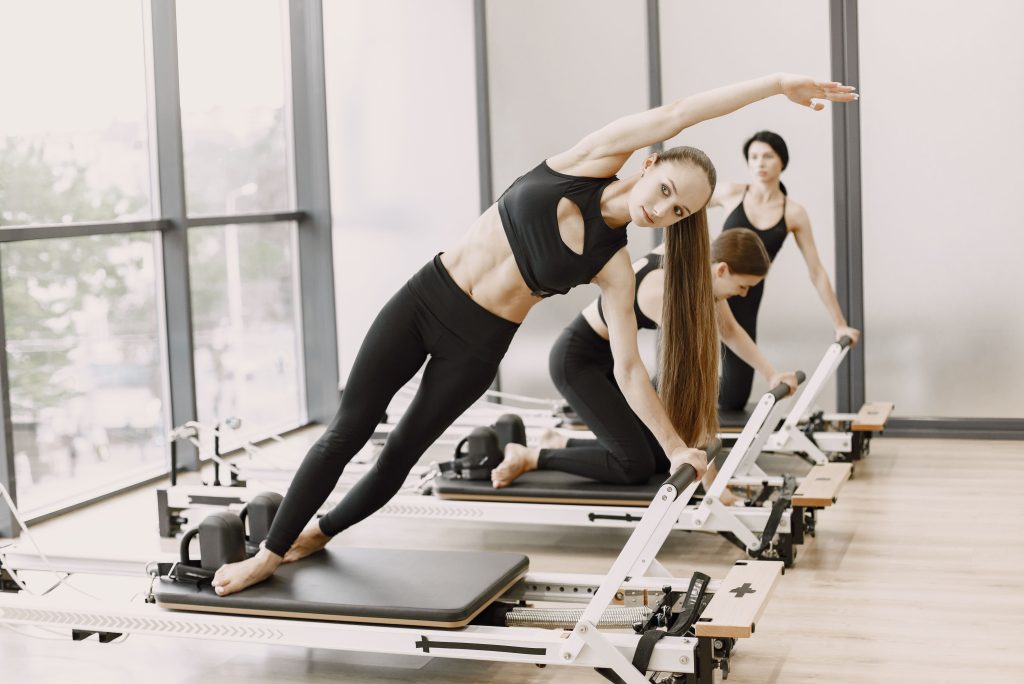
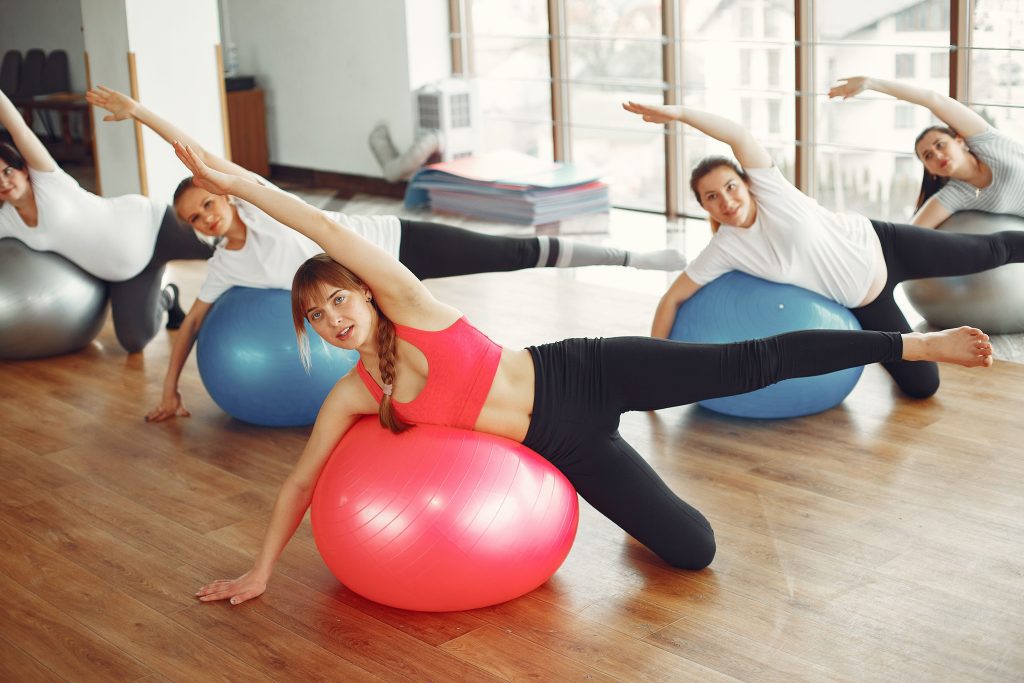
The continuous movement variety in Pilates adds another unique element to the exhaustion that clients experience. Pilates and other similar disciplines like yoga are known for progressing from movement to movement without structured sets and repetitions. This increases the cognitive load for both the instructor and client, as they are both striving to keep up with each other as the movements are delivered in a stream of consciousness.
Typically, someone will leave their first Pilates class both physically exhausted and mentally perplexed about how much they had to think about the movement. Once you learn a movement, you move on to the next one without revisiting the same movements often throughout a session. This makes many Pilates classes feel like a first class all over again, so instructors need to be aware of this for clients in the early phases of their practice.
So while Pilates may not be the magic wand that many people claim it is, it still offers variety and uniqueness as an exercise method. Pilates manages to stimulate your body in ways that other modes of exercise prioritise less, and we turn this special exploration into our advantage.
There are a lot of physiological reasons behind what clients usually experience during a Pilates class. If you want to learn more about this and potentially become an instructor, please get in touch with us today.
